Zimbabwe’s commercial and industrial sectors are undergoing a significant transformation driven by the growing adoption of renewable energy solutions. As businesses face persistent power shortages, rising electricity costs, and operational disruptions, renewable energy, particularly solar power and energy storage systems, has emerged as a reliable and sustainable alternative. Companies across manufacturing, retail, construction, agriculture, and services are increasingly investing in renewable energy systems to ensure operational continuity, reduce costs, and improve long-term resilience.
Renewable energy is no longer viewed as a luxury or backup option. Instead, it has become a strategic necessity for businesses seeking stability, efficiency, and competitiveness in an evolving economic environment.
Addressing Power Supply Challenges
One of the primary ways renewable energy is transforming commercial and industrial operations in Zimbabwe is by addressing the long-standing challenge of unreliable electricity supply. Frequent power outages and load management schedules have historically disrupted production lines, office operations, cold storage, and essential industrial processes.
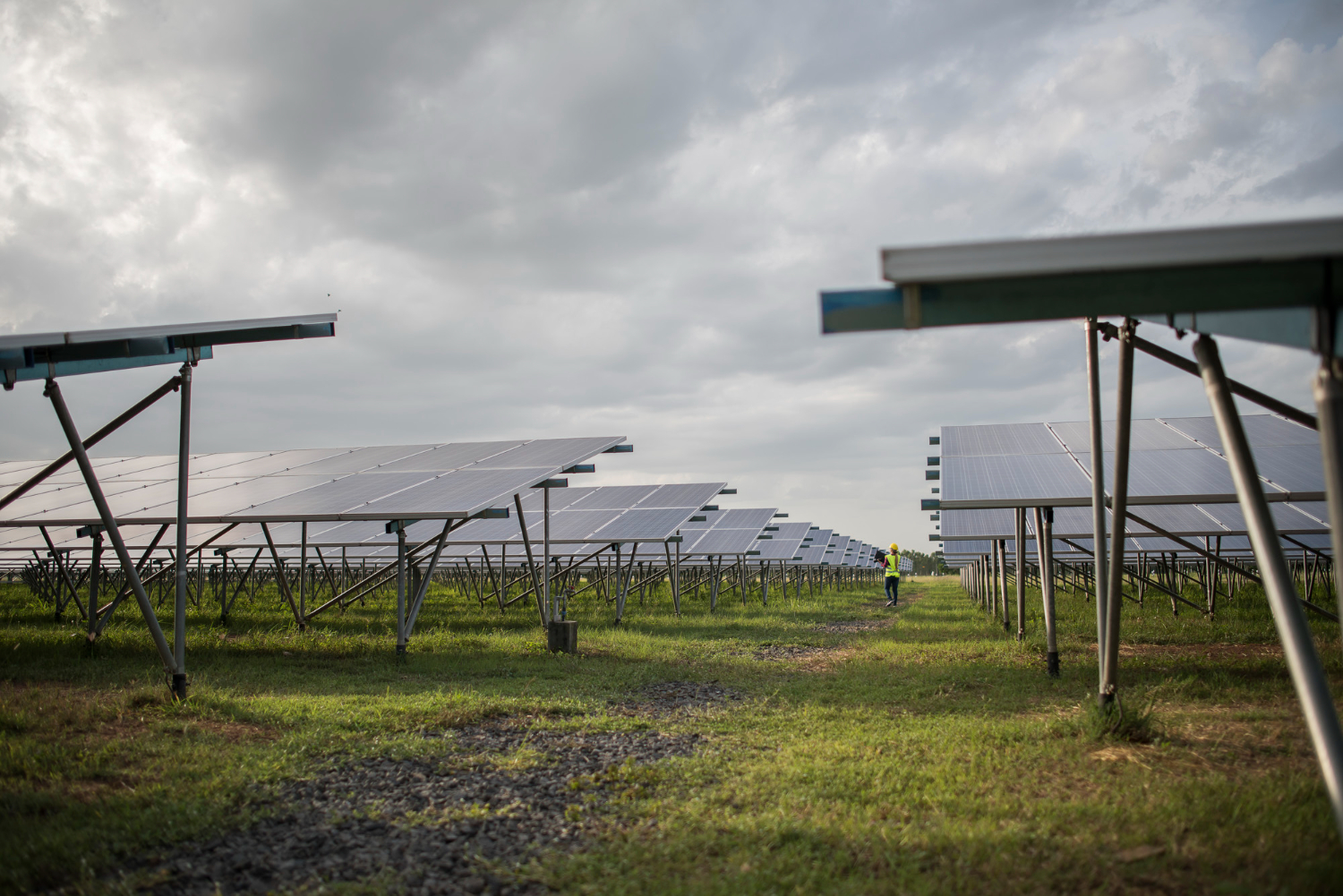
Solar power systems combined with battery storage now allow businesses to maintain uninterrupted operations even during grid outages. Industrial facilities that previously relied heavily on diesel generators are transitioning to hybrid systems that integrate solar, batteries, and grid power. This transition significantly improves operational stability while reducing dependency on unpredictable power sources.
With consistent energy availability, businesses can meet production targets, maintain service delivery, and avoid costly downtime that negatively affects revenue and customer satisfaction.
Reduction in Operational Costs
Energy costs form a substantial portion of operating expenses for commercial and industrial enterprises. Traditional reliance on grid electricity and diesel generators often leads to high and unpredictable energy expenditures. Renewable energy systems provide a cost-effective alternative by offering long-term energy savings.
Solar energy systems, once installed, generate electricity at minimal ongoing cost compared to fuel-based alternatives. Over time, businesses benefit from reduced electricity bills and lower generator fuel expenses. For energy-intensive industries such as manufacturing, mining support services, and refrigeration-based operations, these savings can be significant and directly improve profitability.
Additionally, renewable energy systems protect businesses from fluctuating fuel prices and tariff increases, allowing for better financial planning and cost management.
Enhancing Business Continuity and Productivity
Uninterrupted power supply directly enhances productivity across commercial and industrial environments. Manufacturing plants can operate machinery without unexpected shutdowns, retail businesses can maintain lighting and point-of-sale systems, and warehouses can preserve temperature-sensitive goods without risk.
Renewable energy solutions ensure that essential systems such as security infrastructure, data centers, HVAC systems, and communication networks remain operational at all times. This continuity is especially critical for industries that depend on time-sensitive processes and consistent operational flow.
By minimizing disruptions, businesses can improve efficiency, maintain customer trust, and strengthen their market position.
Supporting Industrial Growth and Expansion
Reliable energy access plays a crucial role in enabling business expansion and industrial growth. Renewable energy systems allow companies to scale operations without being constrained by limited grid capacity or unreliable electricity supply.
New industrial facilities and commercial developments are increasingly integrating solar energy systems during the design and construction phases. This proactive approach ensures that energy infrastructure is aligned with operational demands from the outset.
Furthermore, renewable energy solutions support the development of industrial parks, warehouses, and commercial complexes by providing stable and scalable power systems that meet the needs of modern enterprises.
Environmental Sustainability and Corporate Responsibility
Sustainability is becoming an important consideration for businesses operating in Zimbabwe and globally. The adoption of renewable energy significantly reduces carbon emissions and environmental impact compared to diesel generators and fossil fuel-based power sources.
Commercial and industrial companies are increasingly incorporating renewable energy into their sustainability strategies to align with environmental standards and corporate social responsibility goals. By using clean energy, businesses demonstrate their commitment to environmental stewardship and sustainable development.
This shift also enhances brand reputation, as clients, investors, and stakeholders increasingly value environmentally responsible operations.
Improved Energy Efficiency Through Modern Technology
Renewable energy systems are often integrated with advanced monitoring and energy management technologies. These systems allow businesses to track energy consumption patterns, identify inefficiencies, and optimize energy usage in real time.
Energy audits and smart monitoring tools help companies make informed decisions regarding energy consumption, system upgrades, and operational improvements. This data-driven approach leads to better resource utilization and increased operational efficiency.
Modern solar and energy storage systems are designed for durability, safety, and long-term performance, making them suitable for demanding commercial and industrial environments.
Strengthening Infrastructure Resilience
Infrastructure resilience is a key priority for industries that depend on continuous operations. Renewable energy systems enhance resilience by providing decentralized power generation that is less vulnerable to grid failures and external disruptions.
Hybrid and off-grid solar systems are particularly beneficial for industrial operations located in areas with limited or inconsistent grid access. These systems ensure that production and service delivery can continue regardless of external power challenges.
By investing in renewable energy, businesses build long-term operational resilience and reduce the risks associated with energy instability.
Integration with Mechanical and Engineering Systems
Renewable energy solutions are increasingly being integrated with mechanical and engineering systems within commercial and industrial facilities. Solar-powered HVAC systems, automated machinery, and energy-efficient equipment are becoming more common in modern infrastructure projects.
This integration improves system performance, reduces energy wastage, and enhances overall operational efficiency. Engineering-driven energy solutions also ensure that power systems are properly designed, installed, and maintained to meet the technical demands of complex industrial operations.
The combination of engineering expertise and renewable energy technology creates a coordinated approach that delivers reliable and sustainable results.
Job Creation and Economic Impact
The growth of renewable energy adoption in Zimbabwe is also contributing to job creation and economic development. The demand for solar system design, installation, maintenance, and engineering services has created new opportunities within the energy and construction sectors.
Commercial and industrial investments in renewable energy stimulate local supply chains, technical training, and infrastructure development. This supports national economic progress while strengthening the capacity of local engineering and technical industries.
Future Outlook for Renewable Energy in Zimbabwe
The future of commercial and industrial operations in Zimbabwe is closely tied to the continued adoption of renewable energy solutions. As technology advances and awareness increases, more businesses are expected to invest in solar power, energy storage, and integrated engineering systems.
Government policies, rising energy demand, and the need for sustainable development will further accelerate the transition towards renewable energy. Businesses that adopt these solutions early position themselves for long-term stability, cost efficiency, and competitive advantage.
Conclusion
Renewable energy is fundamentally transforming commercial and industrial operations in Zimbabwe by providing reliable power, reducing operational costs, improving productivity, and supporting sustainable growth. From manufacturing plants to commercial complexes, businesses are embracing solar and energy storage solutions as essential components of modern infrastructure. As industries continue to prioritize efficiency, resilience, and sustainability, renewable energy will remain a key driver of operational transformation. Companies that invest in well-designed renewable energy and engineering solutions will not only overcome energy challenges but also unlock new opportunities for growth, innovation, and long-term success in Zimbabwe’s evolving economic landscape.